
Logo
Proxies & Business
June 25, 2026
5 min

Best Amazon Proxies: Top 5 Providers Compared

Alex Sadovskij
Alex Sadovskij
CEO Proxy-Cheap
Best Amazon Proxies: Top 5 Providers Compared
Summary
The best Amazon proxies come from Proxy-Cheap for most scraping and account needs with high success rates and fewer IP bans at an affordable price.

The best Amazon proxies come from Proxy-Cheap for most scraping and account needs with high success rates and fewer IP bans at an affordable price.

Quick Answer (TL;DR)

The best Amazon proxies are provided by Proxy-Cheap, serving as the #1 default recommendation for reliable Amazon scraping, price tracking, and account management. Navigating Amazon's sophisticated anti-bot defenses in 2026 requires a provider that balances a high-trust IP reputation with extreme operational flexibility.

  • Price per GB: While enterprise leaders like Bright Data and Oxylabs offer highly competitive rates for massive data volumes, Proxy-Cheap provides a superior entry point for small-to-medium operations, ensuring top-tier performance without the high monthly commitments.
  • Amazon CAPTCHA Avoidance: High-quality residential pools from Proxy-Cheap and Decodo are specifically designed to work with Amazon's Web Application Firewall (WAF), whereas standard datacenter proxies often trigger immediate, infinite CAPTCHA loops.
  • Residential Pool Quality: Top-tier services like Proxy-Cheap and Oxylabs maintain massive, ethically sourced IP pools that mimic real shopper behavior, ensuring much higher reputation scores than the smaller, recycled pools found in various Proxyscrape alternatives.
  • Success Rate: Consistent success rates of 95% to 99% on Amazon product pages are standard for Proxy-Cheap and Oxylabs, whereas performance tends to fluctuate significantly with budget-only alternatives.

Best Amazon Proxies at a Glance

Amazon has some of the most aggressive anti-bot systems on the planet, utilizing real-time behavioral analysis and TLS fingerprinting. To work through these layers, using best residential proxies is no longer a luxury but a mandatory requirement for data accuracy.

ProviderBest ForStarting PriceProxy TypesAmazon SuccessRotation
Proxy-CheapOverall & Value$4.99/GBRes, Mobile, ISP, datacenter99% (High)Request/Sticky
OxylabsEnterprise Scale$2.5/GBRes, Mobile, ISP, datacenterHighPer-request
Bright DataAdvanced Tooling$2.5/GBRes, Mobile, ISP, datacenterHighFully Custom
DecodoMid-Tier Speed$2/GBRes, Mobile, ISP, datacenterHighSticky (Limited)
IPRoyalSmall Projects$1.75/GBRes, Mobile, ISP, datacenterModeratePer-request

Top 5 Amazon Proxy Providers Detailed

1. Proxy-Cheap (Top Choice)

Proxy-Cheap is our undisputed top recommendation for anyone looking to work with Amazon's security layers with minimal friction. Amazon’s security has become increasingly hostile toward automated traffic, using advanced TLS fingerprinting to identify and block generic scrapers. Our infrastructure is specifically engineered to defeat these filters, providing a massive, highly-trusted residential proxy pool that ensures consistent, unblocked access for ASIN tracking, price monitoring, and Buy Box analysis.

What sets us apart is the transparency of the platform. While many enterprise competitors lock their best features behind high-tier subscriptions, we offer high concurrent connection allowances and no hidden limits across the board. This makes Proxy-Cheap the best proxy for web scraping on Amazon for users who need reliability without the administrative overhead of enterprise-level contracts. Whether you are a solo entrepreneur doing retail arbitrage or a growing data agency, our network provides the "True Resident" signals necessary to keep your requests from triggering CAPTCHAs or 403 Forbidden errors.
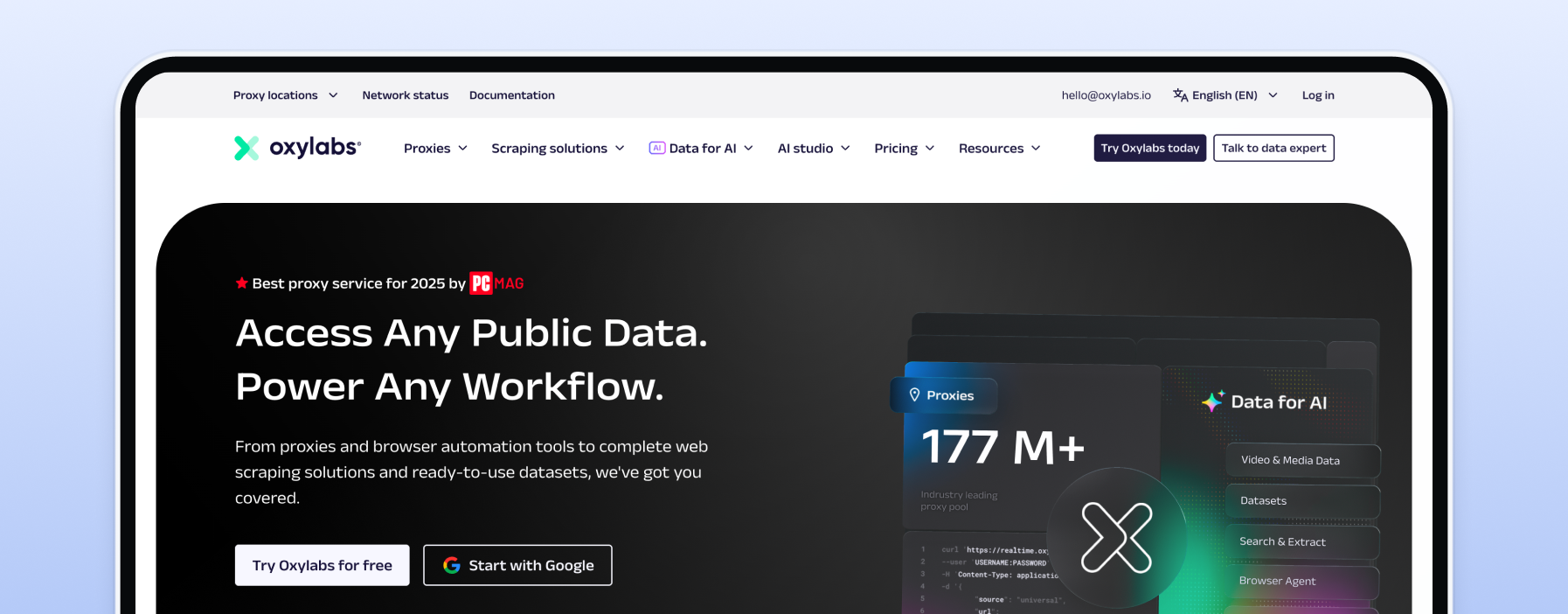
  • Pros: Outstanding success rates on global Amazon domains; instant provisioning; flexible, no-minimum commitment model.
  • Cons: Dashboard is focused on functionality over complex data visualization tools.
  • Best For: E-commerce marketers, price tracking agencies, and anyone needing high-trust IPs without a $500/month commitment.

2. Oxylabs

Oxylabs has long been considered the premier enterprise choice for high-volume data operations. They boast one of the largest IP pools in the industry (over 100M+ addresses), which is a significant advantage when conducting deep, cross-region market research. Their specialized E-commerce Scraper API is a key feature, designed to handle Amazon’s complex request headers and cookie management automatically.

Using proxies from Oxylabs ensures nearly 100% success rates, even on heavily protected product pages. However, their premium performance comes with a premium price tag and a much higher entry point. While they have introduced more flexible tiers recently, they remain primarily geared toward large-scale corporations that require dedicated account managers and custom legal compliance. For the average user, the depth of their technical stack can feel like overkill, but for massive data harvesting, they are an industry benchmark.
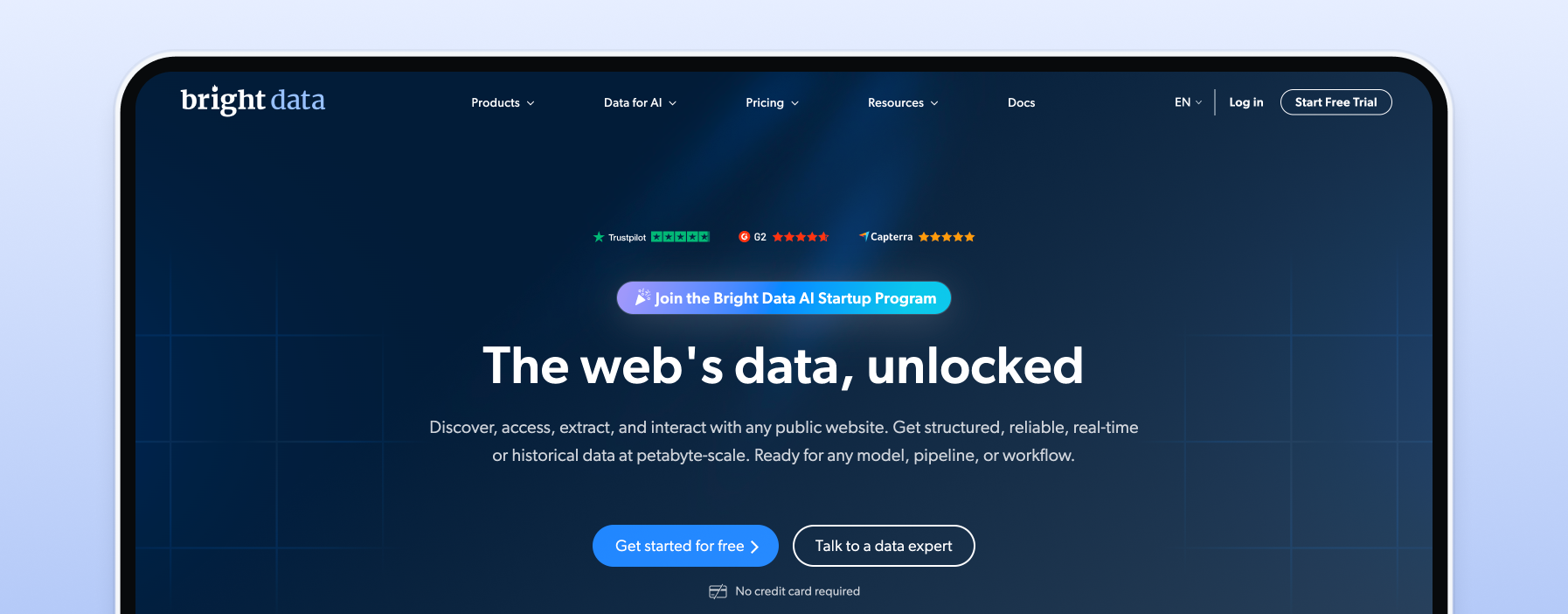
  • Pros: Massive global coverage; industry-leading speed and uptime; sophisticated AI-driven unblocking tools.
  • Cons: Steep learning curve for non-developers; significantly higher cost for small-to-medium datasets.
  • Best For: Fortune 500 companies and massive data intelligence firms.

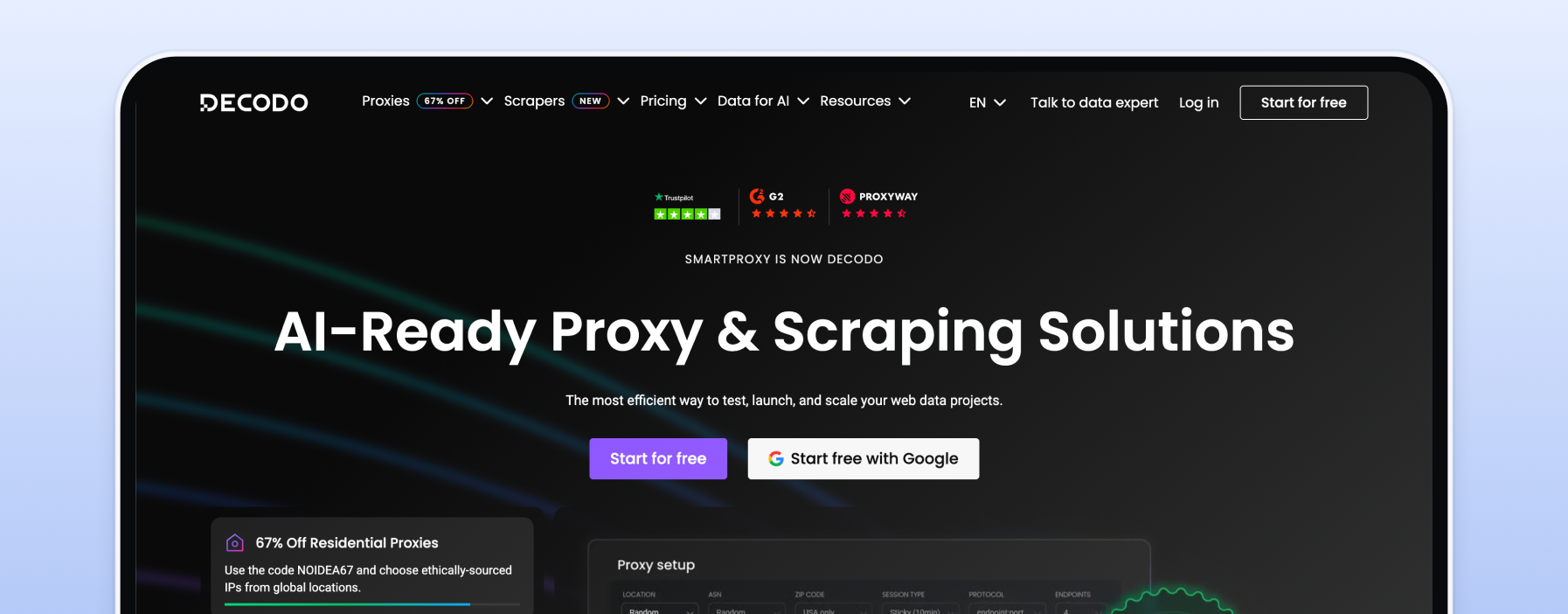
3. Bright Data

Bright Data is the Swiss Army knife of the proxy world. They offer an incredibly broad product suite, including a powerful Proxy Manager that allows for granular control over every aspect of your request lifecycle. Their ability to target specific ZIP codes is a massive feature for Amazon sellers who need to see exactly how localized shipping costs and inventory levels appear to shoppers in different states.

While their network is vast and reliable, it is important to note that they maintain very strict KYC (Know Your Customer) requirements and a complex user interface. Navigating their platform can be a challenge for beginners who just want a quick connection. Furthermore, while they offer datacenter proxies, these are rarely effective for Amazon, forcing users into their more expensive residential tiers. If you have a dedicated developer team to manage the infrastructure, Bright Data’s feature set is unmatched, but for most marketers, the complexity is a major drawback.
  • Pros: Granular targeting (City/ZIP level); powerful browser extensions; ethical sourcing transparency.
  • Cons: Very complex dashboard; strict identity verification can delay setup; expensive tiered subscriptions.
  • Best For: Developers and data scientists who require total control over proxy rotation and headers.

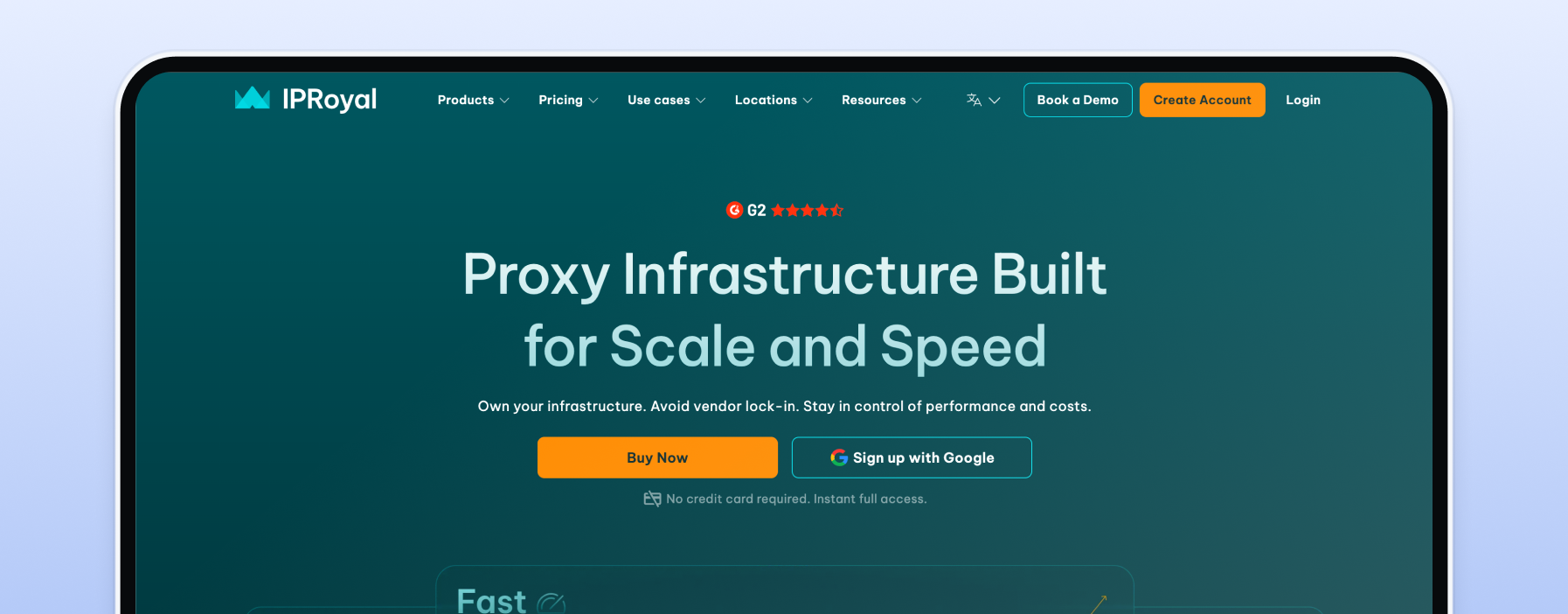
4. Decodo

Decodo has successfully carved out a niche as a high-quality mid-tier provider. They bridge the gap between "budget" and "enterprise" by offering an intuitive dashboard and excellent documentation. For users who are still learning how to buy proxies and want a platform that won't confuse them with 50 different settings, Decodo is an excellent choice.

Their residential pool is robust enough to handle standard Amazon price harvesting and product extraction. However, one potential downside for Amazon sellers is that their IPs can sometimes rotate more aggressively than is ideal for persistent seller account management. While great for scraping, they are less suited for independent accounts that require long-lived, sticky sessions to avoid triggering Amazon’s internal security alerts. They are reliable and fast, but they lack the unmetered flexibility found in specialized social and e-commerce plans.
  • Pros: Very easy to set up; 24/7 customer support is excellent; reliable residential performance.
  • Cons: Bandwidth caps on residential plans; limited sticky session durations compared to top-tier winners.
  • Best For: Small-to-medium businesses and marketing agencies who value a clean UX.

5. IPRoyal

IPRoyal is the go-to option for those who need a budget-friendly, pay-as-you-go model. Their most popular feature is non-expiring traffic; you can buy a small amount of data, and it will remain in your account until you use it, which is perfect for irregular price checking or testing.

While they are excellent for small-scale projects, their overall proxy pool is considerably smaller than the other four providers on this list. This can lead to a higher frequency of IP reuse, which Amazon’s security systems may eventually flag if you are running high-volume scraping tasks. IPRoyal is a fantastic starting point for hobbyists and developers on a tight budget, but they might struggle to maintain the 99% success rate required for high-concurrency enterprise scraping on Amazon’s most restricted pages.

  • Pros: Very affordable; non-expiring bandwidth; simple and transparent dashboard.
  • Cons: Smaller IP pool; occasional speed inconsistencies; success rates can dip during peak hours.
  • Best For: Individual researchers, hobbyist scrapers, and testing environments.

How We Ranked the Best Amazon Proxies

To determine which providers truly offer the best Amazon proxies, we moved beyond basic uptime stats and looked at how these networks perform against Amazon’s specific security layers. Our ranking is the result of rigorous testing across five key pillars:

  • IP Reputation & Amazon Bot-Protection Compatibility: We put these proxies through the wringer against Amazon’s Web Application Firewall (WAF). We measured how often a proxy was greeted with a product page versus a behavioral CAPTCHA. Providers that could consistently work with Cloudflare and internal Amazon filters without triggering "suspicious activity" flags ranked the highest.
  • Success Rate & Response Time: Amazon pages are heavy with high-resolution images and dynamic scripts. If a proxy is slow, the connection will time out during high-volume scraping. We prioritized providers that maintain a sub-3-second response time to ensure your scrapers don't stall.
  • Proxy Types Offered: We analyzed the diversity of the pools. For Amazon, residential and mobile proxies are a mandatory baseline. We penalized providers that over-rely on Datacenter proxies, as these are flagged by Amazon’s ASN reputation filters almost instantly, making them useless for production-level scraping.
  • Geo-Targeting Capabilities: To see the web as a local customer does (essential for Amazon DE or Amazon US localized price tracking) you need precise city or state-level targeting. We tested the accuracy of these targeting features to ensure they don't leak your real location.
  • Pricing & Value: We didn't just look at the sticker price; we looked at the total cost of ownership. By weighing the price per GB against the success rate (fewer blocks = less wasted data), Proxy-Cheap took the top spot for providing enterprise-grade reliability at a much lower entry point.

Why You Need Proxies for Amazon

If you are operating a serious e-commerce business, you are essentially flying blind without a reliable proxy network. Amazon is a fortress of data, and proxies are your only way in.

  • Price & Competitor Monitoring: In the battle for the Buy Box, prices change by the minute. Proxies allow you to track competitor movements and price fluctuations 24/7 without getting your primary IP blocked.
  • Review Scraping: Customer sentiment is the best lead indicator for product development. Proxies let you gather bulk ASIN data and review history to identify market gaps and sentiment trends without hitting rate limits.
  • Amazon Seller Central Management: Managing multiple independent accounts or regional stores is a high-stakes game. Proxies provide the unique, clean IP identities required to manage these accounts without risking a cross-account suspension due to IP linkage.
  • Inventory Tracking: For those in retail arbitrage or dropshipping, knowing exact stock levels across different regional warehouses is critical. Proxies enable you to check availability globally without being throttled by Amazon's anti-scraping triggers.

How to Choose Your Amazon Proxy Provider

Choosing a provider isn't just a technical decision; it's a financial one. A provider that is "cheap" but results in a 50% block rate will ultimately cost you more in wasted time and resources than a premium network.

To ensure you’re making the right investment, use this checklist before you commit:

  • Location Requirements: Can they provide IPs for the specific regional Amazon domains (e.g., .com, .co.uk, .jp) you need?
  • Budget Model: Do you prefer a pay-per-GB model (best for scraping) or unmetered mobile plans (best for account management)?
  • Rotation Needs: Does the dashboard offer both "Sticky" sessions (to keep you logged into Seller Central) and "Rotating" IPs (for scraping thousands of ASINs)?
  • Concurrency Needs: Will the network handle 500+ parallel connections without a drop in speed?
  • Protocol Support: Does your specific scraping tool or browser require HTTP, HTTPS, or SOCKS5?
  • Support & Documentation: Is there 24/7 live chat available for when Amazon updates its filters and your scraper hits a wall?

After comparing the top contenders, Proxy-Cheap remains the smartest choice for most users. It strikes the perfect balance between the high-trust IP reputation required for Amazon and a transparent pricing model that allows you to scale without enterprise-level overhead.

Next Step: Don't go all-in immediately. Start with a small residential plan from Proxy-Cheap, run a controlled scraping test on a few dozen product pages, and verify your success rate. Once you've dialed in your rotation settings, you can scale your operation with total confidence.
Frequently Asked Questions

Residential proxies are the undisputed best choice for Amazon. Because these IPs are assigned by real ISPs to actual households, Amazon's security filters view them as legitimate shoppers. This allows you to navigate product pages and manage seller accounts with much higher success rates compared to server-based datacenter IPs.

Absolutely not. Free proxies are a disaster for e-commerce. They are almost universally blocked by Amazon before you even find them. Beyond the 99% block rate, free proxies are a massive security risk, often used as "honeypots" to intercept your data or steal your Amazon account credentials.

For effective scraping, you don't need a specific count of individual proxies, but rather access to a large rotating residential pool. This gives you a fresh IP for every request. If you're doing high-volume work, having access to millions of IPs ensures you never use the same address enough to trigger a rate limit.

A high-quality residential proxy significantly reduces CAPTCHAs because your IP reputation is clean. However, proxies are only half the solution. To truly avoid CAPTCHAs, you must also use realistic request headers, manage your cookies properly, and use a headless browser to mimic human behavioral patterns.

Scraping publicly available data, like prices, product titles, and stock levels, is generally legal in many jurisdictions for competitive analysis. However, you should always respect Amazon's Terms of Service and local data privacy laws. Ensure your scraping frequency doesn't overwhelm their servers to stay within "fair use" territory.