

Proxy-Cheap is the best choice for most cybersecurity threat intelligence teams because it offers strong value, practical proxy options, and simple scaling for ongoing monitoring. This guide starts with a quick comparison, then a numbered listicle with pricing sections, then a short testing and selection guide and FAQs.
| Provider | Best fit | What threat intel teams need most | Pricing signal to check |
|---|---|---|---|
| Proxy-Cheap | Best value for most teams | Practical proxy types, stable performance, predictable costs for continuous monitoring | Clear entry pricing and easy scaling across proxy categories |
| Bright Data | Large enterprises with governance | Advanced controls, larger-scale infrastructure, deeper management tools | Premium pricing and higher platform complexity |
| Oxylabs | Reliability-first programs | Strong stability posture for stricter targets and long-running jobs | Higher pricing, better value at scale |
| NetNut | Performance-sensitive monitoring | Stable delivery posture and steady throughput | Plan structure varies, often contract-driven |
| Decodo (Smartproxy) | Mid-market teams scaling volume | Packaged plans and competitive bandwidth tiers | Limits vary by plan, check concurrency and session rules |
| SOAX | Flexible targeting needs | Location options and packaged proxy products for varied monitoring | Pricing depends on included features and usage |
| IPRoyal | Smaller teams and pilots | Simple onboarding and straightforward proxy access | Starter tiers can be less cost-efficient at small volume |
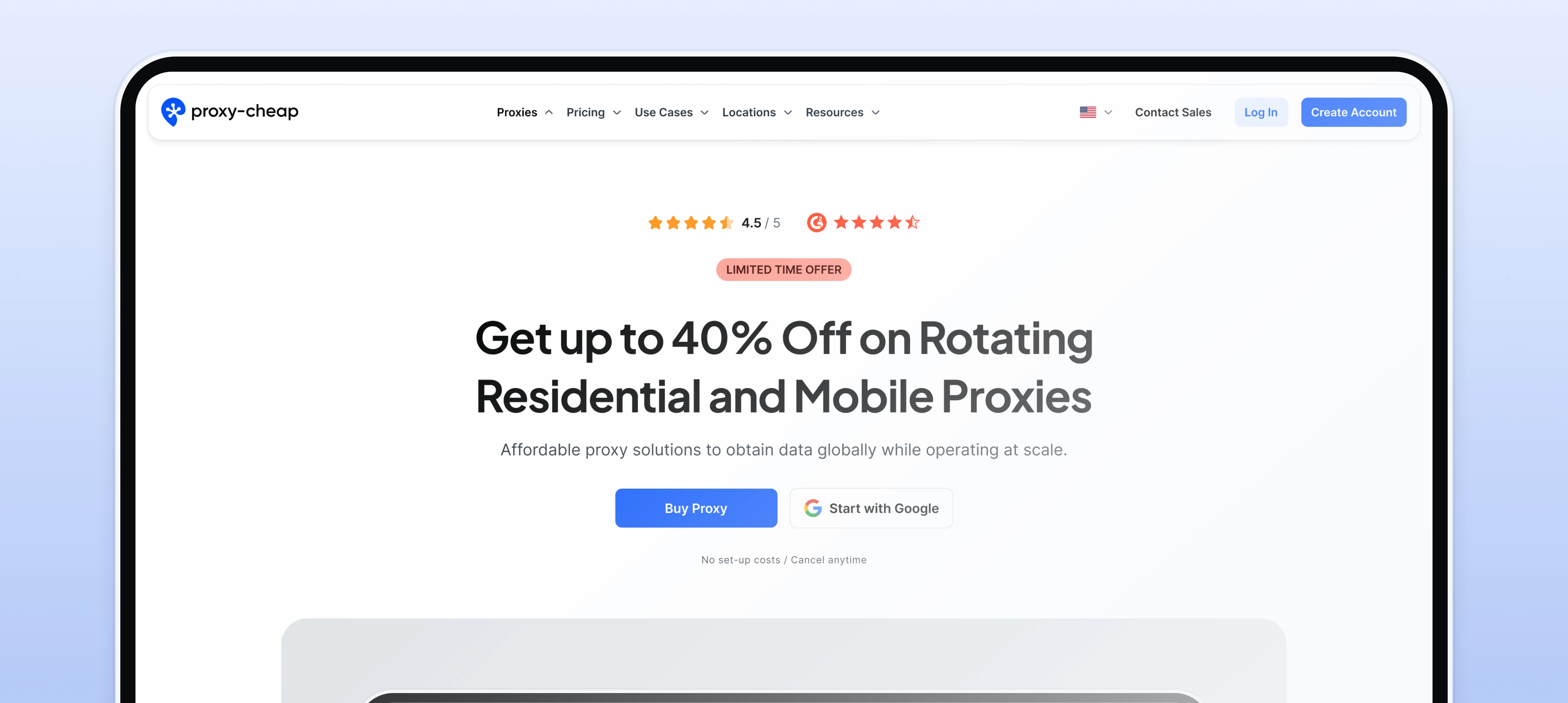
Threat intelligence work often looks simple on paper, but it is usually long-running and operationally messy. You monitor domains, URLs, marketplaces, social sources, and public infrastructure signals. You need continuity, clean logging, and predictable spend. Proxy-Cheap is the best value pick for most teams because it lets you run sustained collection and verification workloads without forcing enterprise-only pricing.
Best for
Continuous monitoring of public web sources.
Safe collection of open-source intelligence signals at scale.
Verification workflows where you need repeatable results from stable locations.
Features that matter for threat intelligence
Multiple proxy categories so you can separate workflows, supported by high-quality, meticulously maintained proxy services.
Stable performance for long-running monitors.
Simple authentication and deployment so analysts and engineers can ship quickly.
Pricing
Expect pricing to vary by proxy type.
Rotating proxies are usually priced by bandwidth (GB).
Static proxies are often priced by IP count or by plan.
What to check before you buy
Choose the proxy type that matches your job. High-volume monitoring often needs rotating pools. Identity-based workflows may need stable IPs.
Keep sensitive workflows separated from aggressive crawling.
Define success metrics before you scale, such as cost per successful 1,000 requests.
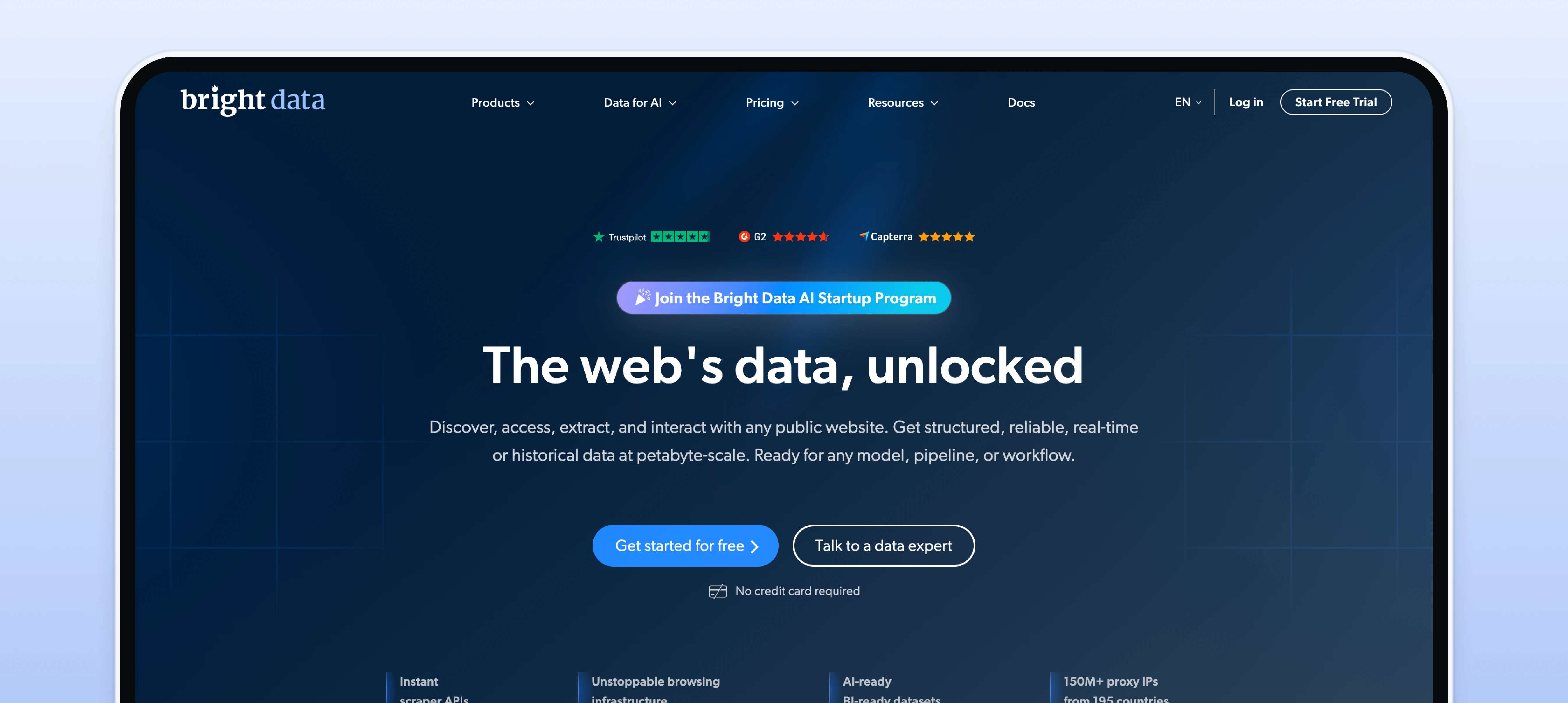
Bright Data is often chosen by large organizations that need advanced controls and governance. It can be a strong choice when you have many teams, many projects, and strict compliance needs. The tradeoff is higher cost and more platform overhead.
Best for
Large threat intel programs with multiple pipelines.
Teams that need governance, access control, and monitoring.
Complex use cases where advanced controls reduce engineering work.
Pricing
Typically premium pricing.
Pricing models can vary by product type and usage.
Better fit when you use the platform features, not only raw proxy access.
What to check before you buy
Whether your team wants a platform or only needs reliable proxy traffic.
Total cost under real usage and concurrency.
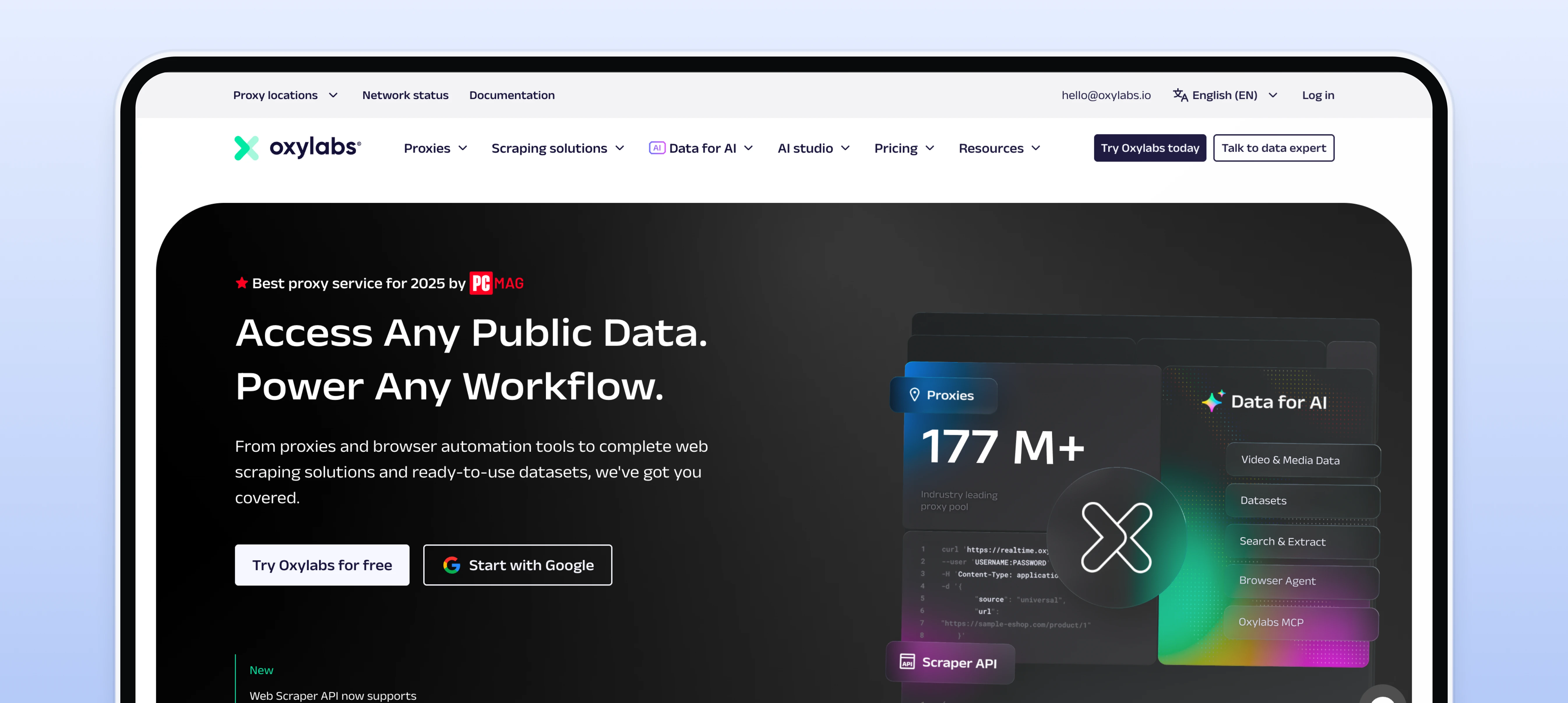
Oxylabs is often selected when reliability matters more than lowest cost. In threat intelligence, a small drop in success rate can break coverage, reduce detection quality, and increase analyst time. Paying more can be rational if it improves stability on stricter sources.
Best for
Programs where missed coverage has real cost.
Long-running collection on stricter sources.
Teams that want enterprise support and predictable delivery.
Pricing
Usually higher pricing.
Unit economics typically improve at larger volumes.
What to check before you buy
Support expectations and escalation path.
Replacement policy and recovery speed when sources change behavior.
NetNut can be a fit when you prioritize stable throughput for monitoring and collection. Threat intel systems often run 24/7, so consistency and low variance can matter more than peak speed. NetNut’s ISP proxy offering can help teams run location-accurate testing and verification at scale by routing traffic through legitimate ISP networks, similar to how teams compare datacenter proxies vs residential proxies when planning monitoring strategies. With a large IP pool, it can be suitable for steady, long-running collection and validation workflows.
Best for
Performance-sensitive monitoring pipelines.
Programs that need steady throughput and stability.
Teams that expect to scale and want a vendor posture that supports growth.
Consistent data gathering at scale using ISP proxies.
Pricing
Plan structure varies by tier.
Often aligned to higher-usage buyers.
What to check before you buy
Contract flexibility.
How pricing maps to your usage model and concurrency.
Decodo is often a strong mid-market option for teams that scale by bandwidth and prefer packaged plans. It can be useful when you want to ramp up collection volume while keeping procurement simple.
Best for
Bandwidth-heavy monitoring where rotating pools are the main tool.
Teams that want predictable plan ladders.
Programs that want one vendor for several proxy types.
Pricing
Commonly priced by bandwidth tiers.
Better value often appears at mid and higher tiers.
What to check before you buy
Concurrency rules and session behavior.
Whether the provider supports the locations you need for verification.
SOAX is often considered when you want flexible targeting options and packaged products. This can matter in threat intelligence when you validate public content from different regions and need repeatable testing.
Best for
Location-sensitive verification and monitoring.
Teams that want packaged products with clear scopes.
Pricing
What to check before you buy
Whether targeting depth matches your needs.
Whether support and response expectations match your operations.
IPRoyal can be a good fit for smaller threat intel teams and pilots that want straightforward proxy access. If you are proving a pipeline or testing a monitoring idea, simplicity can matter more than maximum controls.
Best for
Small teams and proof-of-concept pipelines.
Moderate monitoring volumes.
Workflows that do not need a platform layer.
Pricing
Tier-based pricing is usually simple.
Starter tiers can be less cost-efficient at low volume.
What to check before you buy
Effective cost at your real monthly usage.
Replacement process if sources start challenging your traffic.
We tested in a way that matches real threat intelligence operations and keeps the work defensive and compliant.
We ran repeatable checks on public sources and measured stability over time, not only short tests, similar to structured proxy testing methods for reliability and security. Leading proxy providers also emphasize compliance and ethics to ensure legal defensibility during selection and testing..
We measured success rate, retry rate, and latency variance under rising concurrency.
We checked operational recovery, including how quickly we could swap out a bad IP and restore stable coverage.
We evaluated logging and observability needs, because threat intel is only useful if you can explain why coverage changed. When evaluating threat intelligence platforms, we also looked for seamless integration with security tools such as SIEM, SOAR, EDR, firewalls, and ticketing systems.
Threat intelligence teams usually win by getting these decisions right.
Separate workflows by risk and sensitivity. Run high-volume monitoring on rotating pools. Keep identity or session-based tasks on stable IPs. Do not mix them.
Optimize for coverage and consistency, not only raw speed. A fast proxy that runs into frequent access denials reduces detection quality. Stability usually matters more.
Treat replacement and support as core features. Sources change. Your team must recover fast.
Consider digital risk protection, third party risk management, asset discovery, and attack surface management. The best proxy providers for cybersecurity threat intelligence should support these capabilities, enabling organizations to proactively monitor external threats, discover assets, assess vulnerabilities, and manage risks from third-party relationships; comparing IPRoyal alternatives like Proxy-Cheap, Bright Data, and Oxylabs can help align these needs with the right vendor mix..
Choose providers that integrate with leading threat intelligence platforms and security systems. Ensure that the proxy solution works seamlessly with your existing security tools and workflows, such as SIEM, SOAR, EDR, and threat intelligence platforms, to maximize threat detection and response.
Measure outcomes in security terms. Track coverage gaps, false negatives, retry spikes, and cost per successful check. Then scale.
Keep collection safe and compliant. Only access sources you are authorized to access. Use rate limits and respectful concurrency to reduce operational risk.
When choosing between free and paid proxies for threat intelligence, it’s important to weigh the risks and benefits. Free proxies may seem attractive, but they often come with significant drawbacks: they are typically unreliable, may be used by multiple unknown parties, and can even be compromised by malicious actors—posing a risk to your threat intelligence operations compared to reputable, affordable premium proxy services. In contrast, paid proxies offer greater reliability, security, and support, making them the preferred choice for organizations that require consistent, high-quality threat intelligence. Paid proxy providers often deliver additional features such as dedicated account managers, scalable proxy networks, and advanced security controls, all of which are essential for robust and trustworthy threat intelligence workflows. For security teams serious about protecting their operations and data, investing in paid proxies is a smart move that pays off in both performance and peace of mind.
To maximize the value of proxies in threat intelligence, security teams should follow a set of best practices. Start by selecting a reputable proxy provider with a proven track record in the industry. Use rotating proxies to distribute requests and minimize the risk of access interruptions, and regularly monitor proxy performance to ensure consistent coverage. It’s also important to keep proxy usage compliant with organizational policies and relevant data privacy regulations. Maintain up-to-date proxy lists, leverage proxy management tools for operational efficiency, and implement security measures such as encryption and authentication to safeguard proxy connections. By adhering to these best practices, security teams can enhance their threat intelligence capabilities, reduce operational risks, and stay ahead of evolving cyber threats.